
Pearland Superior Foundation Repair | Slab Foundation Repair, House Leveling & Pier and Beam Repair for Homes and Businesses
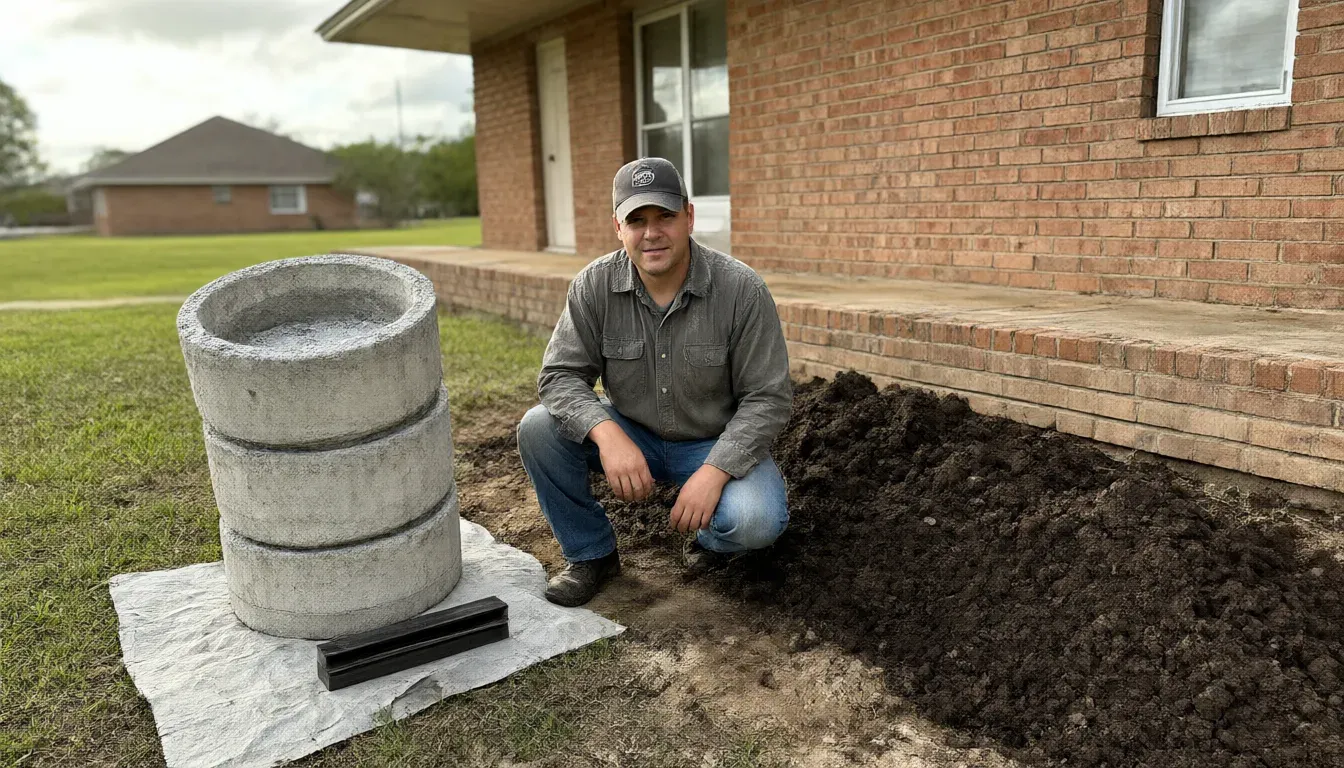
Pearland Superior Foundation Repair has handled foundation repair in Pearland, TX since 2009, with 2,450+ foundations repaired on the area's shifting clay. We do slab foundation repair on pressed concrete pilings, drilled bell-bottom piers and steel push piers, plus house leveling, pier and beam repair, foundation inspections, crack repair, drainage and under-slab plumbing tunneling. Every pier plan comes from an independent Texas-licensed professional engineer, and our pilings are pressed to refusal, usually 10 to 20 feet down. Owner Luis Medrano backs each pier with a lifetime transferable warranty.
Already had your foundation repaired by someone else? We start with what's under your house now and re-adjust sound piers before anyone talks about new ones. Texas has no statewide foundation contractor licence, so we pull the City of Pearland foundation repair permit and work from a licensed engineer's letter. We're fully insured, with general liability and workers' comp on every employee, and we run a static test on your drain lines after every lift at no charge.
Get a FREE Estimate
Or call (346) 586-8503
Why Choose Pearland Superior Foundation Repair as Your Foundation Contractor
Since 2009, 2,450+ Foundations, Insured and Permitted
Luis Medrano still runs inspections, with liability and workers' comp on every crew member.
Independent Engineer Sets the Pier Count, Not a Salesman
You pay the engineer directly, $350 to $600, so the repair plan has no reason to grow.
Free Inspection and Free Post-Lift Plumbing Test
The static test on your drain lines comes with every lift; on its own it runs $350 flat.
Inspection in 48 Hours, Most Lifts Done in 1 to 3 Days
Signed jobs start in 7 to 10 days, sooner when a slab leak or a jammed door can't wait.
5,000 PSI Pilings Pressed to Refusal, Not Shallow Blocks
We press until your house's own weight stops the stack, usually 10 to 20 feet into the clay.
Foundation Repair and Leveling Services for Pearland Homes
Ten services, one crew. Every one of them starts with the same thing: a manometer reading on your floor.
Slab Foundation Repair
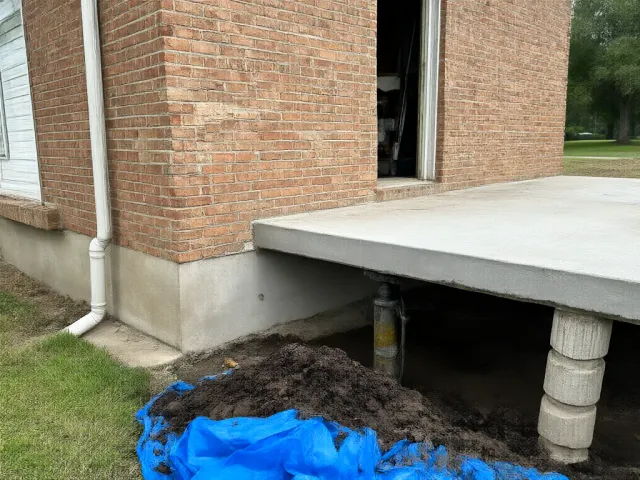
Most homes here sit on a concrete slab with a thickened grade beam around the edge. When a corner drops, we dig at the beam, press 6-inch by 12-inch concrete cylinders to refusal and lift the slab back on steel shims. A partial repair is usually 8 to 14 pilings.
Pier and Beam Foundation Repair
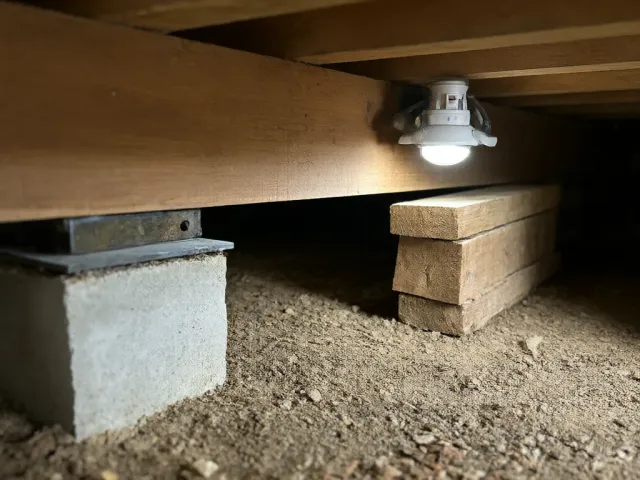
Older houses built over a crawl space sag when wood posts rot or block piers crumble. We set new poured concrete piers at $375 to $650 each, sister bad sill plates and re-level the beams on steel shims. Most re-levels take 1 to 2 days.
Foundation Inspection
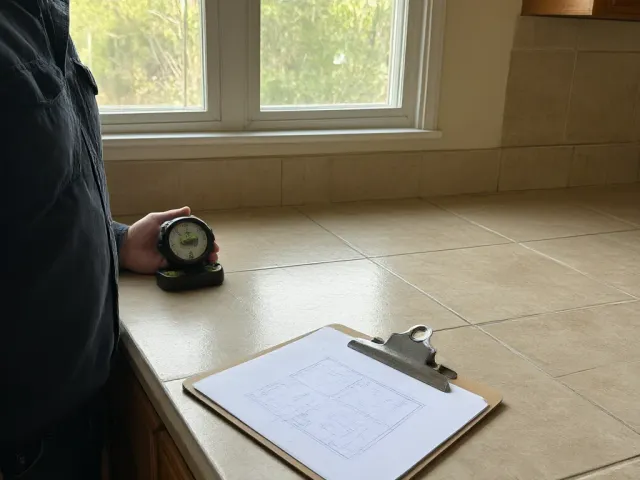
Our free foundation inspection takes 45 to 90 minutes. We shoot the floor with a digital manometer read to 0.1 inch, check doors, brick and drainage, and hand you written findings. If it's under 1 inch with no new cracks, we'll tell you to watch it.
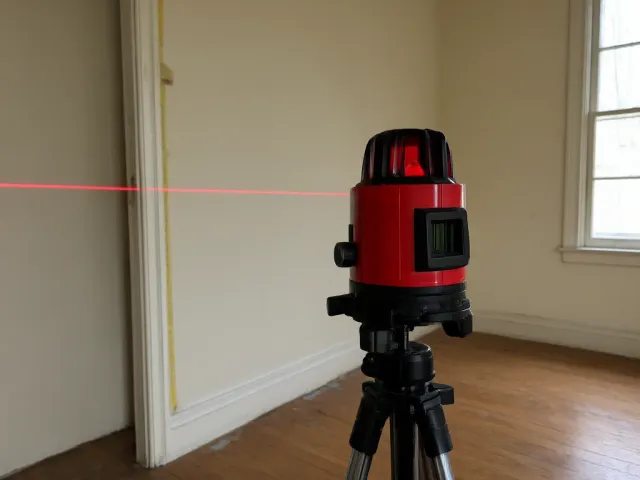
House Leveling
House leveling is the lift itself: hydraulic rams on every pier, raised together in small steps while we watch the manometer. We take readings on a grid every 8 to 10 feet and stop at the best practical level, not a number that cracks your tile.
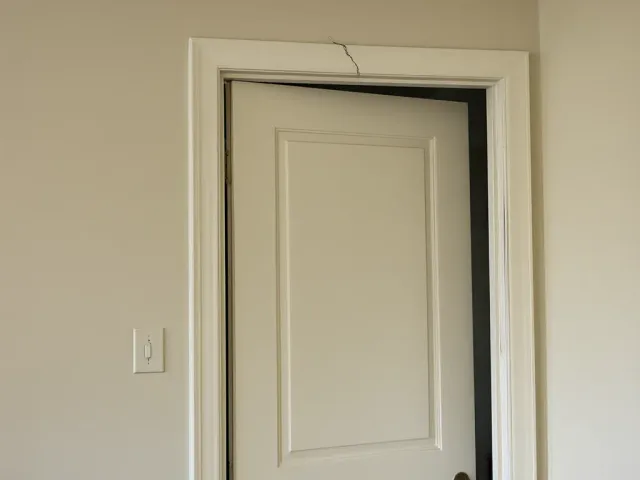
Structural Foundation Repair
Two-story walls, fireplaces and additions need more than a standard piling. Those get drilled bell-bottom piers, a 12-inch shaft drilled 10 to 12 feet and flared to a 24 to 30 inch bell. Deep refusal or commercial loads get 2-7/8-inch steel push piers.
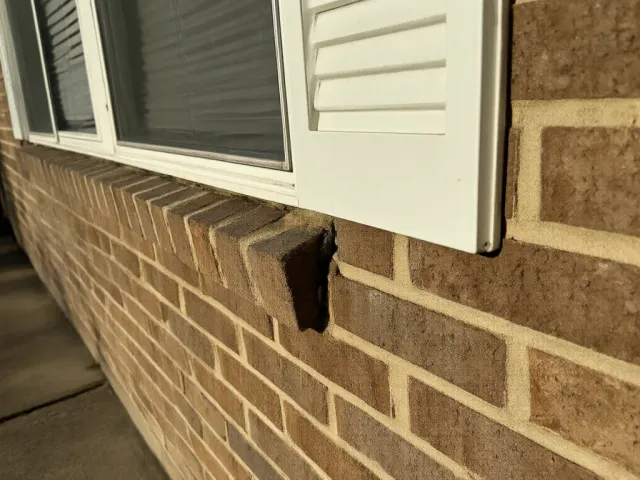
Foundation Crack Repair
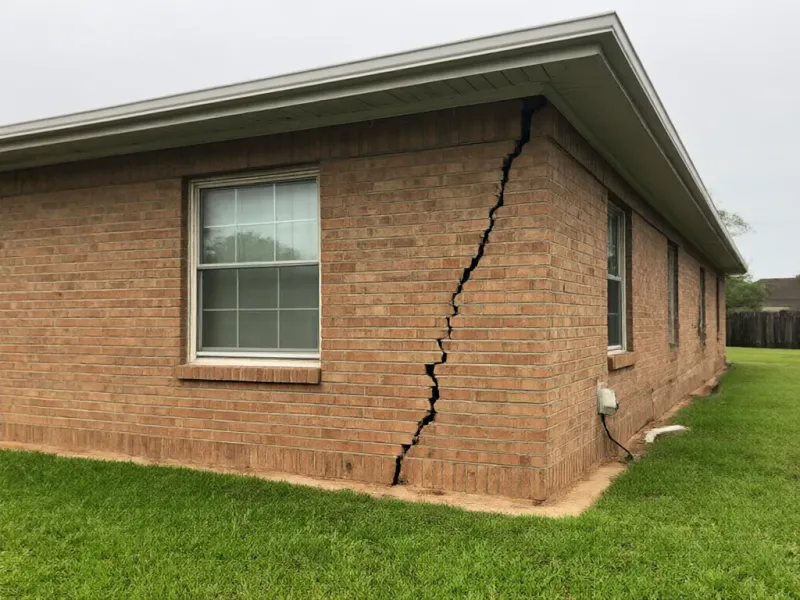
A crack is a symptom, so we find the movement first. Then we inject slab and wall cracks with epoxy or polyurethane at $450 to $850 per crack, and repoint stair-step cracks in brick veneer. Hairlines under 1/16 inch are usually just shrinkage.
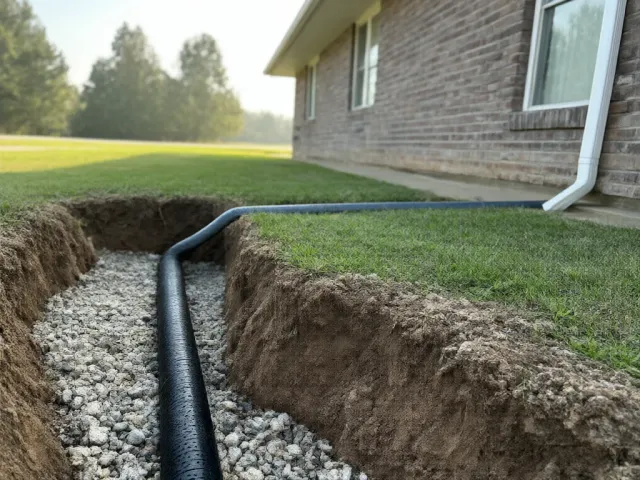
Foundation Drainage and French Drains
Water sits against your slab on flat lots and makes the clay swell. We install French drains using 4-inch perforated pipe in washed gravel. We also bury downspout lines to pop-up emitters at least 10 feet out and regrade beds to 6 inches of fall in the first 10 feet.
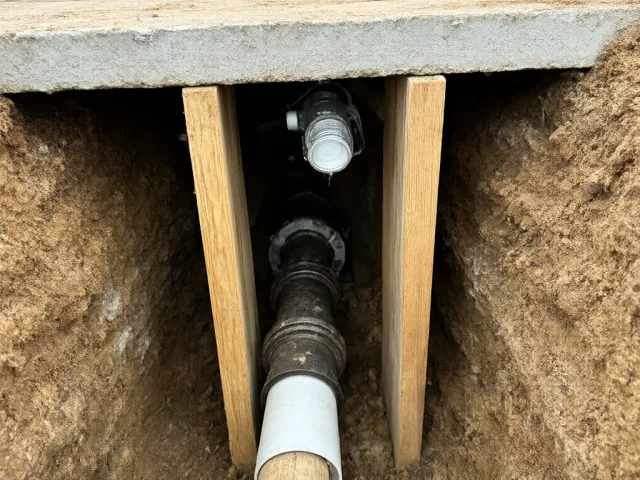
Slab Leak Repair and Under-Slab Tunneling
A leaking drain under the slab softens the clay and drags the house down with it. We tunnel under the slab, about 3 feet wide and 2 to 3 feet deep, so a Texas-licensed plumber can fix the pipe without breaking up your floors. Tunnels run $165 to $225 per linear foot.
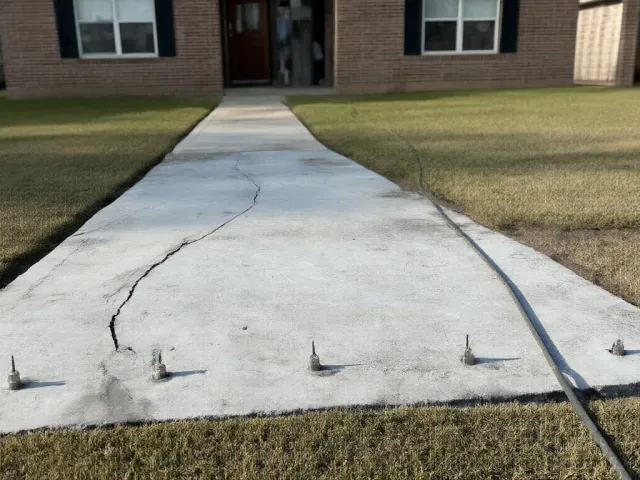
Concrete Leveling and Mudjacking
Sunken driveway, walk and patio panels get lifted with polyurethane foam through 5/8-inch holes, walkable in 15 minutes. Mudjacking with a cement-and-sand slurry still makes sense on a budget patio at $4 to $7 per square foot.
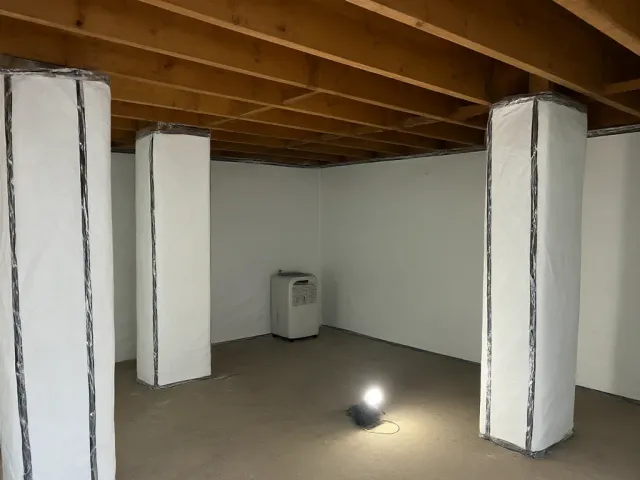
Crawl Space Encapsulation
Standing water and humid air rot sills and joists under pier and beam homes. We lay a 20-mil reinforced vapor barrier with taped seams, seal the vents, and set a dehumidifier. Most jobs cost between $4,500 and $11,000.
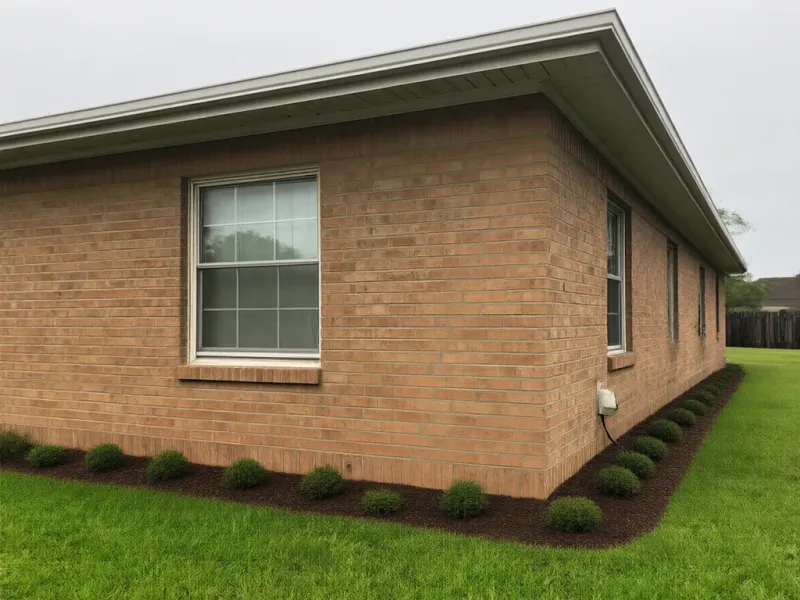
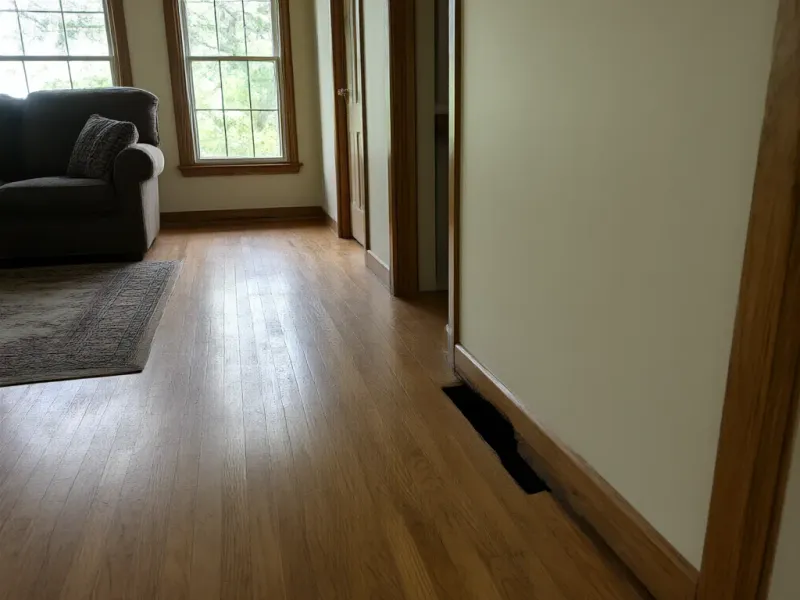
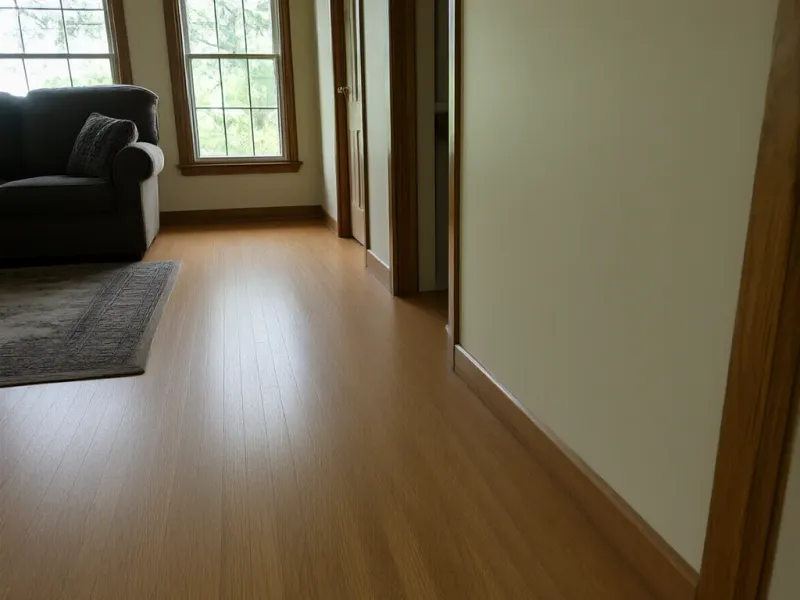
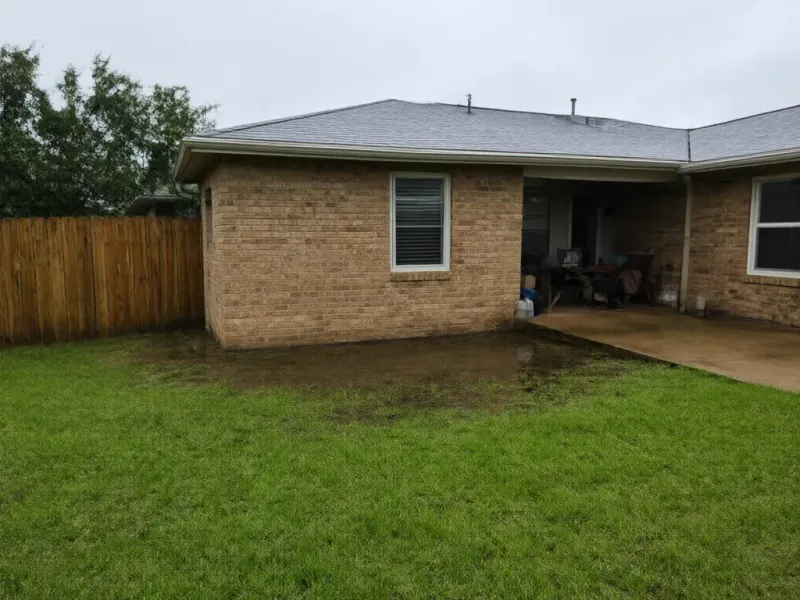
Before and After
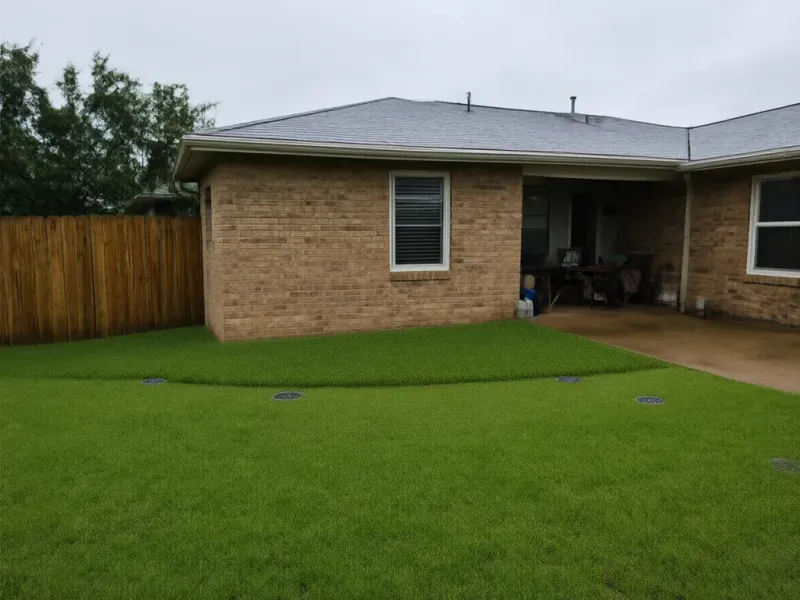
Commercial Foundation Repair Contractors for Pearland Properties
We use the same methods on larger footprints with a schedule built around your tenants.
Apartment Complexes and Fourplexes
Multi-family buildings tend to move one wing at a time. We walk up to 6 buildings free in one visit, map each one with a manometer, and phase the work so only affected units get 48 hours' notice.
Townhomes, Condos and HOAs
Shared slabs and party walls mean one unit's settlement shows up next door. Boards get a per-building report with elevation maps and a repair order their reserve budget can follow.
Retail Strip Centers and Restaurants
Movement shows up first in door frames and storefront glass. We try to work beside or behind the tenant space. We use steel push piers under heavy masonry and keep the front door open during business hours.
Offices, Churches and Small Schools
Older single-story buildings often sit on slabs poured long before anyone tested the soil. Repairs follow an independent engineer's plan, and we pull permits wherever the city requires them.
Warehouses and Light Industrial
Slab floors under forklifts and racking crack at joints and settle at dock walls. We can fill voids under the slab and lift panels with polyurethane. If the soil is the issue, we pier the dock wall.
Specialty Foundation Services
Re-Leveling Homes Repaired by Another Company
Old pilings settle, companies close, and warranties expire. We dig to the existing piers to check their depth. We replace shallow spot blocks with pilings pressed to refusal and re-shim the sound ones.
Pre-Purchase Foundation Evaluations
Did the inspection report include a foundation note on the house you're buying? We shoot the floor and look for old repair paperwork. We'll tell you if the old warranty transfers before you close.
Root Barriers Near Live Oaks
Big oaks pull moisture out of the clay under the grade beam. You can keep the tree and stop the drying by setting a root barrier 24 to 36 inches deep between the tree and the slab.
Void Fill After Slab Leaks
A long-running leak can wash soil from under a slab and leave a hollow. We fill that void through small holes first, so the slab has full contact with the ground again before we lift anything.
Why Pearland Homeowners Pick Us as Their Foundation Repair Contractor
Anybody can sell piers. The hard part is knowing how many you need, where they go and how far to lift. We've done this on Gulf Coast clay since 2009, and what follows is how we work on every job.
It's the detail most companies skip on a sales visit. Read it, then ask anyone else you're talking to the same questions.
Our Foundation Repair Process
Free inspection and floor survey
Luis or a crew lead shoots your floor on a grid every 8 to 10 feet, checks doors, brick and drainage, and writes up what's moving.
Independent engineer's plan
If repair makes sense, an independent licensed engineer visits within 3 to 5 business days and writes the pier plan. You pay the engineer, not us.
Written quote, permit and locate
Your written price matches the plan. We pull the city permit and call Texas 811 at least 48 hours before we dig.
Piers and the lift
We dig at the beam, press pilings or drill bell-bottoms, then raise the house on hydraulic rams while watching the manometer. Most slab lifts take 1 to 3 days.
Plumbing test, backfill and paperwork
We static-test your drains, backfill and tamp every hole, put the sod back, and hand you the engineer's final letter and your transferable warranty.
Gumbo Clay and the Twice-a-Year Move
The clay series you'll find across much of this coastal prairie is Lake Charles clay, formed on deposits of the Beaumont Formation. It's packed with smectite, a mineral that soaks up water and swells, then shrinks hard as it dries. In a dry spell the USDA describes cracks 1/2 inch to 2 inches wide running 12 inches or more deep.
That's why a slab here moves twice a year. It settles on the dry side in late summer and heaves a little when the rain comes back. A door that sticks in August and swings free in December is telling you the same story.
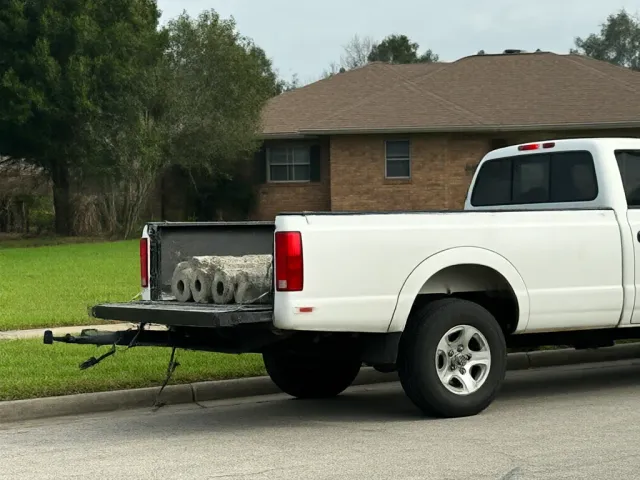
Flat Ground, Slow Drainage and a High Wet-Season Water Table
Pearland sits on flat prairie, so rainwater doesn't run off a lot so much as sit on it. Clay this dense takes water in very slowly once the cracks close. A flower bed with no fall can stay soaked for days against your grade beam.
In wet winters and springs the shallow groundwater comes up as well, and the top of the soil stays saturated. Dry clay on one side of a slab and soaked clay on the other is the classic setup for a cracked corner. That's why fixing the water is often half the repair.
Pressed Concrete Pilings: Depth and Spacing
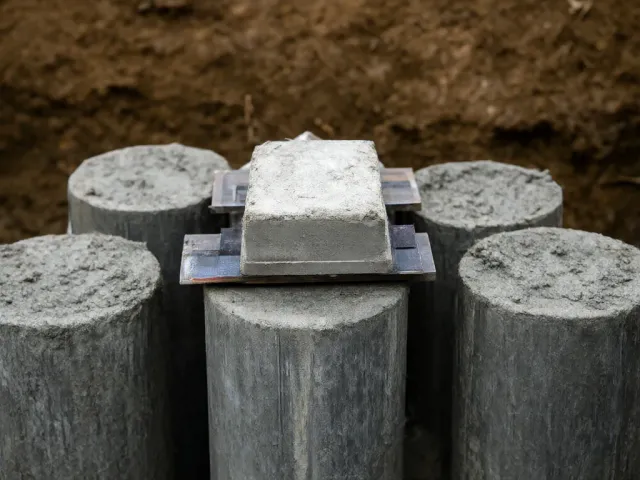
Each piling is a stack of precast cylinders, 6 inches by 12 inches, rated at 5,000 PSI. We set a hydraulic ram on the stack and press it into the ground with the weight of your house as the counterforce. When the house starts to rise instead of the cylinder going down, that's refusal.
In our clays refusal usually comes 10 to 20 feet down, below the layer that swells and shrinks with the weather. Pilings go roughly every 6 to 8 feet along the beam, then get capped and shimmed.
Bell-Bottom Piers Under Heavy Walls
Some loads need a bigger footprint. Under two-story walls, masonry fireplaces and room additions, the engineer may call for drilled bell-bottom piers: a 12-inch shaft drilled 10 to 12 feet and flared to a bell 24 to 30 inches wide.
The bell spreads the load across more soil and resists uplift when the clay swells. Each pier gets a #4 rebar cage and 3,000 PSI concrete, and we wait at least 7 days before lifting on it. At $950 to $1,400 each, we only drill them where the plan calls for them.
Steel Push Piers for Deep or Commercial Loads
When the engineer wants bearing deeper than concrete pilings reach, we drive 2-7/8-inch galvanized steel pipe through a steel bracket bolted to the grade beam. They often travel 20 to 35 feet before refusal.
Steel piers make sense under heavy masonry, commercial buildings and some multi-family slabs. Under a typical one-story brick home they're usually more pier than you need, and we'll tell you that.
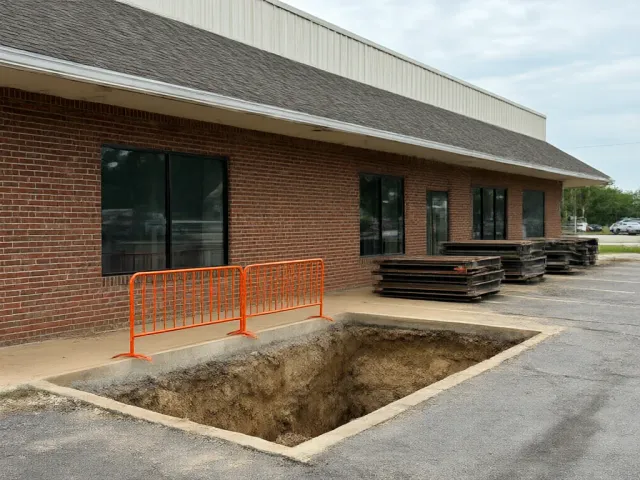
The Lift: Small Steps on Every Pier at Once
Raise a slab too far or too fast and you crack tile, drywall and drain lines. We set a ram on every pier, raise them together in small increments and keep the manometer running the whole time. The target is the best practical level for your house, not a perfect zero.
Once the slab is where the engineer wants it, the gap between pier cap and beam gets steel shims. Wood crushes and rots in Gulf Coast humidity. Steel doesn't.
The Static Test Behind Every Lift
Moving a slab can crack an old drain line, and a line that was already seeping gets worse. After every lift we plug the drains at the cleanout, fill them with water and watch the level for 15 minutes. Supply lines go on a pressure gauge.
If the level drops, a Texas-licensed plumber finds the break and our tunneling crew digs to it. Catching it now matters, because a leak under the slab softens the same clay you just paid to lift.
Subsidence: Real, Slow and Usually Not Your Problem
The Houston region has a long history of land sinking from groundwater pumping, bad enough that the Legislature created the Harris-Galveston Subsidence District in 1975. Land near Pasadena sank more than 10 feet between 1906 and 1995.
Regional subsidence is broad and slow, so a whole neighborhood drops together. What cracks your hallway is differential movement under one house, and that's almost always moisture in the top few feet of clay. We'll tell you which one you're looking at.
What the Lifetime Transferable Warranty Covers
Every pressed concrete piling, bell-bottom pier and steel push pier we install carries a lifetime transferable warranty. If a pier we installed settles, we re-adjust it at no charge for as long as the house stands.
It transfers to the next owner free, which buyers and their inspectors ask about. It covers the piers we installed, not sections of the foundation we didn't pier, and that's written on the paperwork so nobody is surprised later.
Foundation Repair Cost in Pearland, TX
Honest numbers for 2026. These are installed ranges from our own quotes. Your written price comes from the engineer's plan, not a guess over the phone.
The biggest swing is pier count. One dropped corner might take 8 pilings, while a slab moving on three sides can need 25 to 40.
| Job | Typical range | What drives the price |
|---|---|---|
| Foundation inspection with manometer survey | Free | Written findings, no obligation |
| Independent engineer's letter | $350 to $600 | Paid to the engineer, includes the final letter |
| Pressed concrete piling | $325 to $475 each | Pressed to refusal |
| Drilled bell-bottom pier | $950 to $1,400 each | Two-story walls and heavy loads |
| Steel push pier | $1,350 to $2,100 each | Deep refusal, heavy masonry |
| Partial slab repair, 8 to 14 pilings | $3,800 to $7,500 | Our most common job |
| Full perimeter and interior repair | $9,500 to $18,000 | 25 to 40 pilings on a 2,000-square-foot slab |
| Under-slab tunneling | $165 to $225 per linear foot | Backfill and compaction included |
| French drain | $38 to $65 per linear foot | Gravel, fabric, 4-inch perforated pipe |
The post-lift plumbing static test is included on every lift. If anyone quotes you a slab repair without a manometer reading or an engineer, ask them how they counted the piers.
Foundation Repair Questions We Hear in Pearland
Are you searching for 'foundation repair near me'?
If you've been searching for foundation repair near me in Pearland, TX, you've found the right team. Pearland Superior Foundation Repair is a locally based foundation repair contractor serving Pearland and the surrounding area since 2009. Call us at (346) 586-8503 or book a free foundation inspection, and we'll have someone at your house within 48 hours.
How do I know if my foundation actually needs repair?
Don't buy piers until someone measures your floor. Our rule of thumb is simple. If you have under 1 inch of difference across the house and no new cracks, just watch it and fix your drainage. If you see over 1.5 inches of movement with sticking doors or fresh cracks, call the engineer.
Do I need an engineer, and who pays for the letter?
For any pier work, yes. We use an independent Texas-licensed professional engineer who doesn't work for us, and you pay them directly, $350 to $600. This fee covers the engineer's final letter after the repair is done. Buyers will ask for that letter when you sell the house.
Does foundation repair need a permit in Pearland?
Yes. The City of Pearland issues foundation repair permits, and we pull one on every Pearland job. Texas has no statewide foundation contractor licence, so the permit, the engineer's letter and proof of insurance are the three things to ask any contractor for.
Will lifting my house damage my plumbing?
It can, which is why we test after every lift. We plug the drains at the cleanout, fill them and watch for 15 minutes. If the level drops, a Texas-licensed plumber finds the break and we tunnel to it before anything gets closed up.
Pressed pilings or bell-bottom piers, which is better?
One isn't better than the other for every situation. Pressed concrete pilings work for most single-story slab homes since they use the house's own weight. Bell-bottom piers handle heavy loads like fireplaces or two-story walls. The engineer's plan tells us which one to use.
Does your warranty transfer when I sell the house?
Yes, and it's free. Our lifetime transferable warranty covers every pier and piling we install. If one settles, we re-adjust it at no charge as long as the house stands. This covers the specific piers we installed, not every section of the slab.
How long does a slab foundation repair take?
Most slab lifts are done in 1 to 3 days. The wait is usually the permit and the Texas 811 locate, so signed jobs start in 7 to 10 days. If there's an active leak or a door that won't lock, we move faster.
Foundation Repair Contractors Serving Pearland and Nearby Cities
Pearland Superior Foundation Repair serves surrounding areas to Pearland, TX, including Friendswood, League City, Manvel, Alvin, Missouri City and Pasadena.
Inside Pearland we work from the older houses on the east side, near the original town center at Main and Broadway, out to master-planned subdivisions like Shadow Creek Ranch, Southern Trails, Southdown, Sunrise Lakes and the Lakes of Highland Glen. A lot of that growth went onto former rice fields from the 1990s on, and flat, low ground like that is exactly where drainage trouble starts.
Water is the local thread. Hickory Slough, Cowart Creek and Mary's Creek carry more than 90% of the city's runoff to Clear Creek, and Harvey flooded more than 1,700 Pearland residences in 2017. We also cover Silverlake, Country Place, Brookside Village, Iowa Colony and south Houston, all sitting on the same Gulf Coast clay.
- Pearland, TX
- Friendswood, TX
- League City, TX
- Manvel, TX
- Alvin, TX
- Missouri City, TX
- Pasadena, TX
Book a Free Foundation Inspection in Pearland
Call (346) 586-8503, Mon-Fri 7am-6pm. Luis or a crew lead will shoot your floor, show you the readings and tell you straight whether you need piers, drainage or nothing at all.