
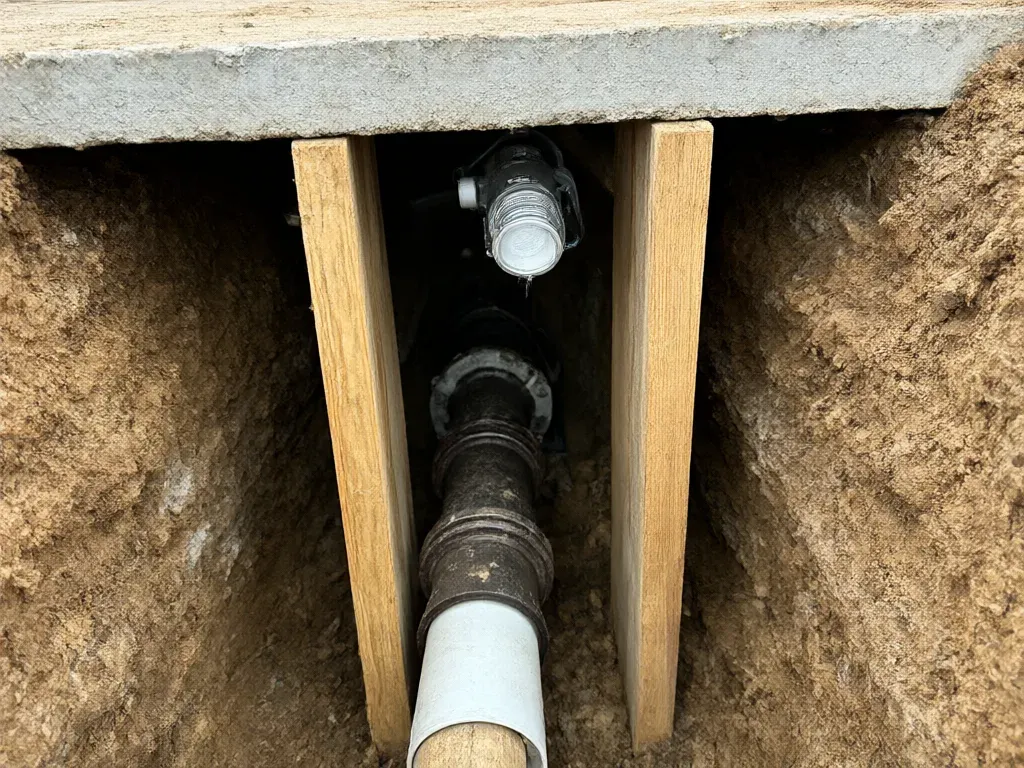
Under-Slab Plumbing Tunneling in Pearland, TX
Pearland Superior Foundation Repair offers professional under-slab plumbing tunneling in Pearland, TX with a 2-person crew that does nothing but tunnel, at $165 to $225 per linear foot. We hand-dig tunnels beneath the slab so a Texas-licensed plumber can repair or replace drain and supply lines without jackhammering your floors. Backfill and compaction are included in every foot.
Tunneling is the cleaner way to reach a slab leak, a cracked cast iron drain or a full plumbing reroute under a slab home. Tunnels run about 3 feet wide and 2 to 3 feet deep, and we backfill and compact them in 6-inch lifts so the soil carries the slab again. Most tunneling jobs take 3 to 5 days, and tunnel backfill carries a 1-year workmanship warranty.
Get a FREE Estimate
Or call (346) 586-8503
Under-Slab Tunneling Applications
Under-Slab Tunneling for Slab Leak Repair
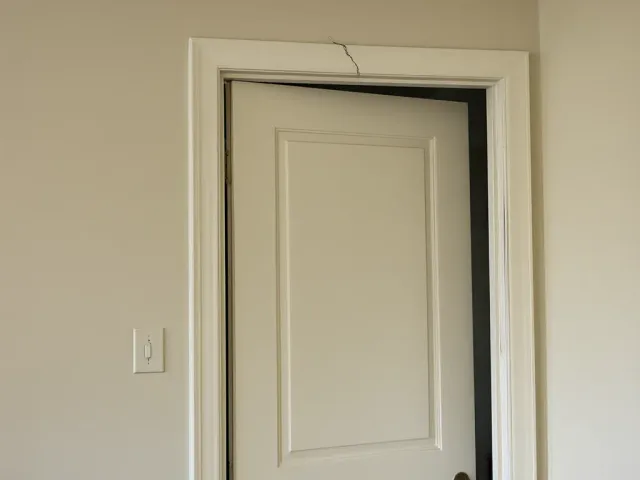
A leak under the slab shows up as a high water bill, a warm spot on the floor or a drain that won't hold water on a static test. We tunnel straight to the spot the plumber has located, so the excavation stays as short as the leak allows.
Under-Slab Tunneling for Cast Iron Drain Replacement
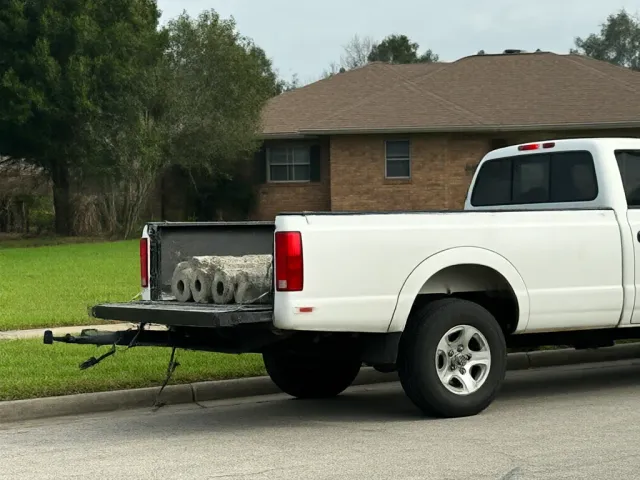
Older slab homes often have cast iron drains that crack, scale up and rot through. A typical bathroom drain run is 15 to 30 feet of tunnel, and replacing the whole run fixes the section at once instead of patching it leak by leak.
Under-Slab Tunneling for Interior Piers
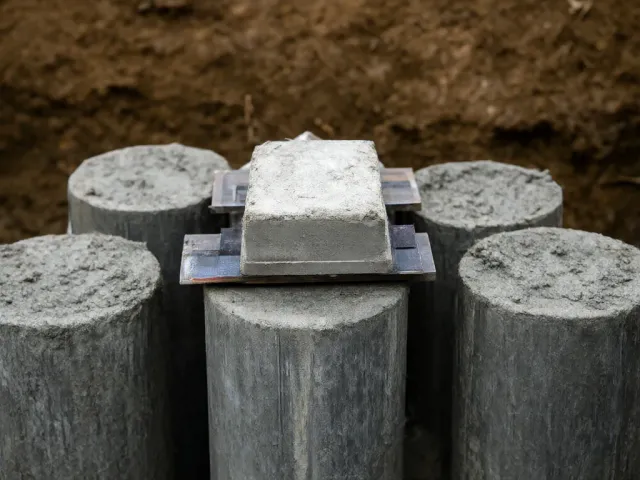
When the middle of a slab settles, interior beams need piers too. Tunneling lets us reach them from outside without coring through finished floors.
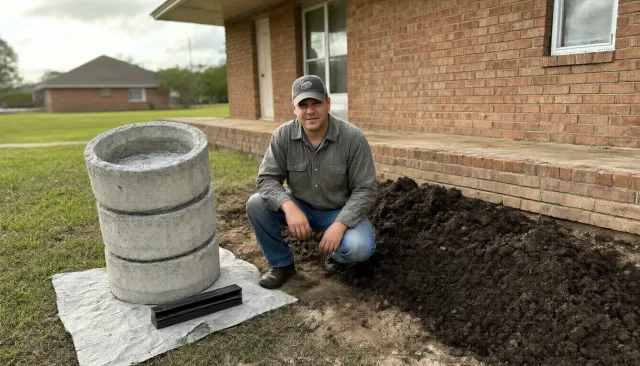
Under-Slab Tunneling for Remodels and Reroutes
Moving a tub, adding a bathroom or rerouting drains in a remodel all mean new pipe under the slab. Tunneling gets the plumber to the right spot without breaking up flooring you plan to keep.
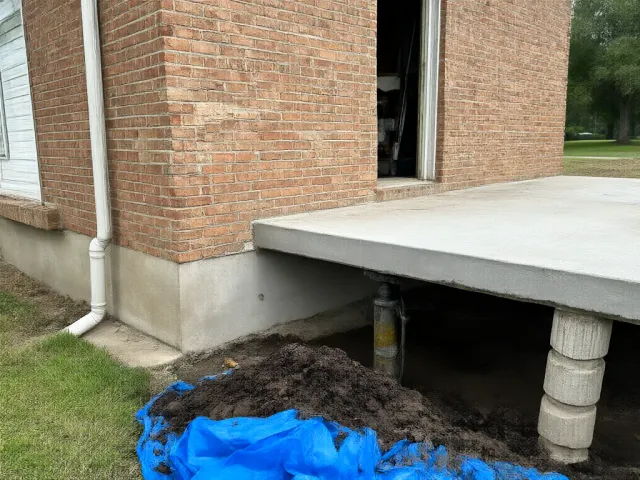
Under-Slab Void Fill After a Leak
A leak that ran for months can wash soil out and leave a hollow under the slab. We fill voids through small holes before or after the tunnel work so the slab is fully supported again.
Tunneling Versus Breaking Through the Floor
The other way to reach a pipe under a slab is to jackhammer through the floor from inside. It works, but you lose tile or hardwood, the house fills with concrete dust, and the patch rarely matches.
Tunneling keeps the work outside. The crew opens a pit at the grade beam and digs under the slab to the pipe. Your floors stay intact and the dust stays in the yard.
It isn't always cheaper, and we'll say so. For a short run close to an exterior wall, a small floor cut can cost less. For a long run under a finished bathroom or kitchen, tunneling usually wins.
What Stays Inside the House
Nothing but a plumber walking through to test fixtures. No dust curtains, no jackhammer in the kitchen, no floor patch to match. For a family living in the house, that's usually the deciding factor.
How a Tunnel Gets Dug and Filled
Three stages, and the last one matters most.
Digging
Tunnels run about 3 feet wide and 2 to 3 feet deep. Soil comes out in buckets and goes onto tarps so your lawn doesn't get buried. Utilities get marked through Texas 811 at least 48 hours before we start. Pits and soil piles get covered at the end of every day so a storm doesn't turn them into a pond.
Plumbing Work
Once the pipe is exposed, a Texas-licensed plumber repairs or replaces it, and the line gets tested before anything goes back in the hole.
Backfill and Compaction
This is where cheap tunneling goes wrong. Loose fill settles, and the slab sinks into the tunnel a year later. We backfill and compact in 6-inch lifts so the soil carries the slab again.
Signs of a Plumbing Problem Under the Slab
A water bill that climbs with no change in use. The sound of running water when every fixture is off. A warm spot on a tile floor over a hot water line.
On the drain side, look for slow drains that come back after snaking, a sewer smell inside the house, or a damp spot along a baseboard. After a foundation lift, the static test catches broken drains a homeowner would never notice.
Plumbing leaks and foundation movement feed each other. A leak softens the clay and drops the slab, and a moving slab cracks old pipe. Fixing one without checking the other leaves half the problem in the ground.
Not sure you have a leak at all? A pressure test on the supply side or a static test on the drains answers it before anyone digs. We'll tell you which one to ask your plumber for.
Why Homeowners Call Us for Tunneling
We have a 2-person crew that only tunnels, so your job isn't waiting for a lift crew to free up. Most tunneling jobs run 3 to 5 days from the first shovel to the last tamp.
Every foot of backfill and compaction is in the price, and the tunnel backfill carries a 1-year workmanship warranty. If the plumbing failed because the foundation moved, we'll tell you that too, and price any piers separately so you can decide.
Tunnels near the grade beam get extra care. We stay clear of the soil the beam bears on where we can, and when a tunnel has to pass under the beam, the compaction there gets checked lift by lift.
We work with your plumber or bring one in. Either way, you get one written per-foot price for the tunnel before we dig.
Need to Reach a Pipe Under Your Slab?
Call (346) 586-8503. We'll work with your plumber, measure the run and give you a per-foot price in writing.